- +91 7302256783
- cohibapharma@gmail.com

What Is PCD Company? Meaning, Business Model, Benefits and How to Choose the Right Pharma Partner
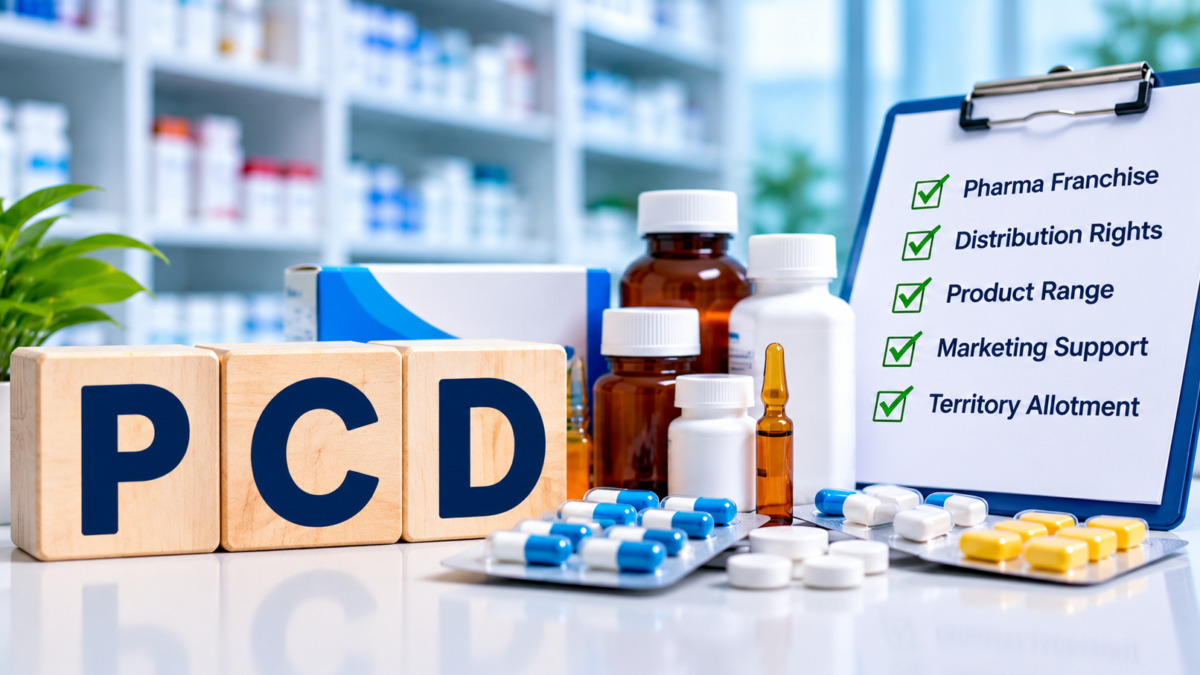
The pharmaceutical industry offers several business opportunities for entrepreneurs, distributors and individuals interested in healthcare distribution. One commonly used business model is the PCD pharma franchise, which allows individuals or distributors to market and sell pharmaceutical products under an agreement with a pharmaceutical company.
But what is a PCD company, and how does it work?
A PCD company is a pharmaceutical company that provides marketing and distribution rights for its products to individuals, distributors or business partners in specific territories. It generally supports its franchise partners through product availability, promotional materials and agreed business arrangements.
Understanding how a PCD company operates can help aspiring pharma entrepreneurs make informed decisions before entering the pharmaceutical distribution business.
What Is a PCD Company?
PCD stands for Propaganda Cum Distribution. A PCD company is a pharmaceutical business that offers its products to franchise partners or distributors for marketing and distribution in an assigned area.
Under this arrangement, the company generally supplies pharmaceutical products, while its franchise partners focus on promoting and distributing those products within their permitted territory.
The exact terms depend on the agreement between the pharmaceutical company and the franchise partner. These may include product selection, territory rights, minimum order requirements, pricing, promotional support and payment conditions.
In simple terms, a PCD pharma company helps individuals enter the pharmaceutical distribution market without having to establish their own medicine manufacturing facility.
How Does a PCD Pharma Company Work?
A PCD pharma business generally operates through a partnership between a pharmaceutical company and an independent franchise distributor.
The process usually involves the following steps:
1. Selecting a Pharmaceutical Company
The interested individual or distributor identifies a pharmaceutical company offering PCD franchise opportunities. Factors such as product quality, documentation, product range, pricing and supply arrangements should be evaluated.
2. Discussing Franchise Terms
After selecting a company, both parties discuss the business arrangement. This may include the operating territory, product categories, commercial terms, order requirements and promotional support.
3. Completing Required Documentation
The franchise partner must arrange the applicable licences and registrations required for pharmaceutical distribution. The specific requirements depend on the products, business activities and relevant drug control regulations.
4. Selecting and Ordering Products
The distributor chooses products based on local market demand and the company’s available portfolio. Orders are placed according to the agreed commercial terms.
5. Marketing and Distribution
The franchise partner promotes and distributes the products within the permitted territory, subject to applicable regulations and the terms of the agreement.
6. Managing Business Operations
The distributor manages customer relationships, stock, inventory, payments and repeat orders while maintaining appropriate storage and distribution practices.
What Services Does a PCD Pharma Company Provide?
A pharmaceutical company may offer several types of support to its franchise partners. The available services vary from one company to another.
Common offerings include:
- Pharmaceutical product range: Tablets, capsules, syrups, dry syrups, injectables, drops and other formulations, depending on the company’s portfolio.
- Promotional materials: Visual aids, product cards, brochures and other marketing resources, where available.
- Territory arrangements: Defined geographical areas or distribution rights as agreed between the company and franchise partner.
- Product information: Relevant product details, specifications and supporting documentation.
- Order and supply support: Coordination of product orders, availability and dispatch.
- Business assistance: Communication regarding product selection, commercial terms and distribution requirements.
Before entering into an agreement, it is important to confirm which services are actually included rather than assuming every PCD company provides the same level of support.
Benefits of Working with a PCD Pharma Company
The PCD pharma franchise model can offer several advantages to individuals who want to participate in pharmaceutical distribution.
1. Opportunity to Start a Pharma Distribution Business
A franchise partner can enter the pharmaceutical market by working with an existing pharmaceutical company instead of setting up a manufacturing unit.
2. Access to Multiple Pharmaceutical Products
Depending on the company’s portfolio, franchise partners may be able to choose from different product categories and formulations.
3. Defined Business Territory
Some companies offer exclusive or defined territorial rights under specific agreements. Such arrangements can help distributors plan their marketing and customer outreach.
However, exclusivity should always be confirmed in writing, including its geographical boundaries and applicable conditions.
4. Promotional Support
Companies may provide promotional materials to help franchise partners communicate product information to relevant healthcare professionals and customers, within applicable promotional rules.
5. Established Supply Network
Working with an existing pharmaceutical company may provide access to its manufacturing or sourcing arrangements, product portfolio and distribution processes.
The actual benefits depend on the company’s capabilities, the agreement and the franchise partner’s business operations.
Difference Between a PCD Company and a Pharmaceutical Manufacturing Company
Although the terms are related, a PCD pharma company and a pharmaceutical manufacturing company do not necessarily perform the same role.
| Basis | PCD Pharma Company | Pharmaceutical Manufacturing Company |
| Main activity | Marketing and distribution arrangements | Manufacturing pharmaceutical products |
| Business model | Franchise or distributor partnerships | Production and supply of medicines |
| Infrastructure | Depends on its business operations | Manufacturing facilities or approved manufacturing arrangements |
| Main partners | Franchise distributors and marketing partners | Distributors, marketers and other pharmaceutical businesses |
| Key requirements | Applicable business and drug distribution permissions | Manufacturing-related licences and regulatory compliance |
A company offering PCD franchise opportunities may manufacture products itself or work with a third-party manufacturer. Therefore, prospective partners should verify the actual manufacturing arrangements and relevant authorisations.
How to Choose the Right PCD Pharma Company?
Choosing the right pharmaceutical partner is an important business decision. A company’s product portfolio alone should not be the only deciding factor.
Consider these points before finalising a franchise arrangement.
1. Check Licences and Regulatory Documentation
Verify the applicable licences, registrations and authorisations relevant to the company’s activities and products. Where third-party manufacturing is involved, check the manufacturer’s credentials and the relationship between the parties.
2. Evaluate Product Quality Standards
Review available product specifications, batch-related documentation and quality records. Where relevant, ask for Certificates of Analysis and verify their applicability to the products being supplied.
3. Understand the Product Portfolio
Check whether the company offers products suitable for the market you intend to serve. Consider product categories, availability, packaging and relevant product information.
4. Review Pricing and Commercial Terms
Understand product pricing, minimum order quantities, payment conditions, credit arrangements, return policies and other commercial terms before making an investment.
5. Confirm Territory Rights
If the company offers monopoly or exclusive rights, ensure the arrangement is clearly mentioned in the written agreement. Check the territory covered and any conditions that may affect exclusivity.
6. Assess Supply and Communication
Reliable communication and a clear supply process are important for managing stock and fulfilling customer requirements. Discuss order processing, dispatch timelines and complaint-handling procedures.
Documents and Licences Required for a PCD Pharma Franchise in India
The documents required depend on the nature of the business, product category and applicable regulations.
For pharmaceutical distribution activities in India, the relevant drug sale licence is generally required under the Drugs and Cosmetics Act and Rules. Depending on the business structure and activities, other documents may also be necessary.
Commonly relevant documents include:
- Applicable drug sale licence
- GST registration, where applicable
- Business registration or constitution documents
- Identity and address proof
- Premises-related documents
- Storage arrangements suitable for the products
- Franchise or distribution agreement
- Relevant product and supplier documentation
Requirements may differ depending on the products being handled and the applicable licence category. Prospective franchise partners should confirm the latest requirements with their State Drug Control Department or a qualified regulatory professional before starting operations.
Is a PCD Pharma Franchise Business Suitable for Beginners?
A PCD pharma franchise may be an option for beginners who want to enter pharmaceutical distribution. However, it requires proper planning, market research and an understanding of the pharmaceutical sector.
Before starting, consider your target market, available investment, product demand, competition, storage facilities and distribution network.
It is also important to understand that a franchise arrangement does not guarantee sales or profits. Business performance depends on product selection, local demand, operational management, pricing and the quality of the partnership.
Explore PCD Pharma Franchise Opportunities with Cohiba Pharmaceuticals
Cohiba Pharmaceuticals Pvt. Ltd., based in Dehradun, Uttarakhand, operates in the pharmaceutical sector and offers PCD pharma franchise opportunities.
Its product portfolio includes different pharmaceutical categories, such as tablets, capsules, syrups, dry syrups and other formulations.
For individuals exploring a pharmaceutical distribution partnership, understanding the company’s product range, applicable documentation, supply arrangements and franchise terms is an important first step.
Conclusion
Understanding what a PCD company is can help aspiring entrepreneurs make better decisions about entering the pharmaceutical distribution industry.
A PCD pharma company provides a business arrangement through which franchise partners can market and distribute pharmaceutical products in an agreed territory. The model may offer access to an existing product portfolio, promotional resources and supply arrangements without requiring the franchise partner to establish a manufacturing facility.
However, choosing the right company requires careful evaluation of product quality, regulatory documentation, commercial terms, territory rights and supply support.
A well-researched partnership and a clear understanding of business responsibilities can help create a more organised and sustainable pharmaceutical distribution operation.
Frequently Asked Questions (FAQs)
1. What is a PCD company in the pharmaceutical industry?
A PCD company is a pharmaceutical company that offers marketing and distribution rights for its products to franchise partners or distributors in specific territories under agreed business terms.
2. What is the full form of PCD in pharma?
PCD stands for Propaganda Cum Distribution. It refers to a pharmaceutical business model in which a company works with franchise partners to promote and distribute its products.
3. What is the difference between a PCD pharma company and a pharma franchise?
A PCD pharma company is the pharmaceutical business offering products and franchise arrangements. A pharma franchise refers to the business partnership or distribution rights provided to an individual or distributor.
4. Do I need a drug licence to start a PCD pharma franchise?
A valid drug sale licence is generally required for pharmaceutical distribution activities in India. The exact licence and documentation depend on the products and nature of the business. Confirm the applicable requirements with the relevant State Drug Control Department.
5. How do I select the best PCD pharma company?
Evaluate the company’s applicable licences, product quality documentation, product range, pricing, supply arrangements, promotional support and written franchise terms before making a decision.